



Turnkey
Design, engineering, installation and commissioning.
Own technical service
Specialised technical service across Spain and remote management of installations.
Authorised company
Authorised by the regional Department of Industry and Technology as refrigeration installer and maintainer-repairer.
Since 1987
Industrial refrigeration specialists. Members of Asofrío and AEFYT.
Refrigerants we work with
We help you choose the most suitable system for your installation.
CO₂ (R744)
Natural refrigerant, non-flammable and non-toxic, that does not harm the ozone layer. See CO₂ refrigeration
Ammonia (NH₃, R-717)
Very economical, high-performance natural refrigerant. See ammonia refrigeration
Glycol
Glycol water as a secondary fluid for a minimum refrigerant charge. See glycol refrigeration
Freon and fluorinated gases
Regulations in full evolution and non-fluorinated alternatives. See freon refrigeration
Projects by refrigerant
Some installations with CO₂, ammonia, glycol and new-generation gases (project details mostly in Spanish).
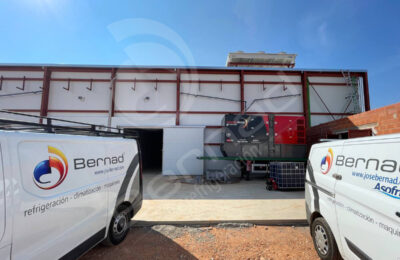 Ajos ImperioTranscritical CO₂ refrigeration system (fruit and vegetables)
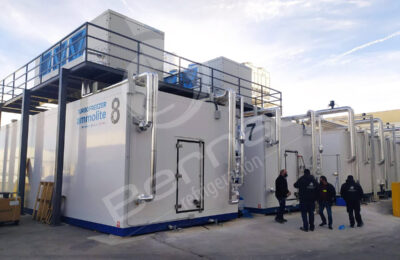 IncarlopsaNH₃ freezing tunnels
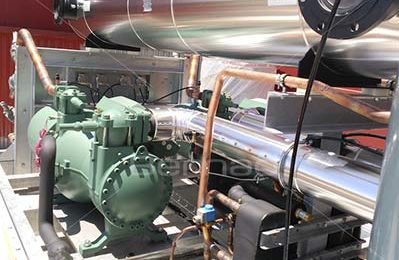 El Conchel Original FoodGlycol as secondary fluid for a minimum refrigerant charge
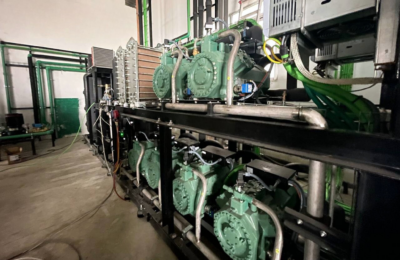 El Cantero de LeturTranscritical CO₂ and hot glycol defrost
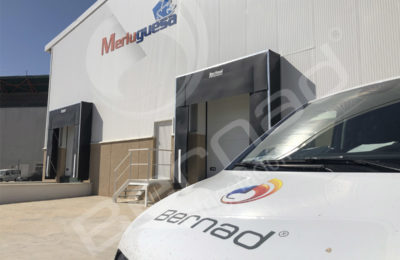 MerluguesaSubcritical CO₂ plant and freezing tunnel
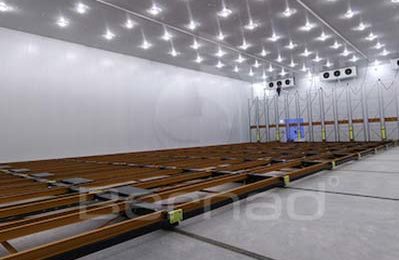 Langoalba4 freezer rooms with new-generation refrigerants
Frequently asked questions
Which refrigerants do you work with?
With CO₂, ammonia, glycol (as a secondary fluid) and fluorinated gases, depending on each installation.
Which refrigerants are natural?
CO₂ (R744) and ammonia (R-717) are natural, environmentally friendly refrigerants.
What is happening with fluorinated gases?
European regulations aim to reduce their use by 70% by 2030 and a tax applies to them. For now they can still be used, and non-fluorinated alternatives exist.
What does glycol offer?
Using glycol water as a secondary fluid allows a minimum refrigerant charge, is environmentally friendly and works with minimal temperature fluctuations.
Related article
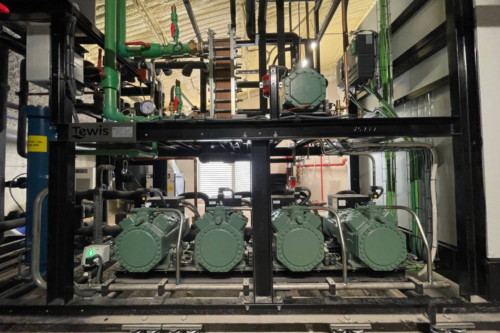
Which refrigerant does your installation need?
We advise you with no obligation.
Associations we collaborate with